
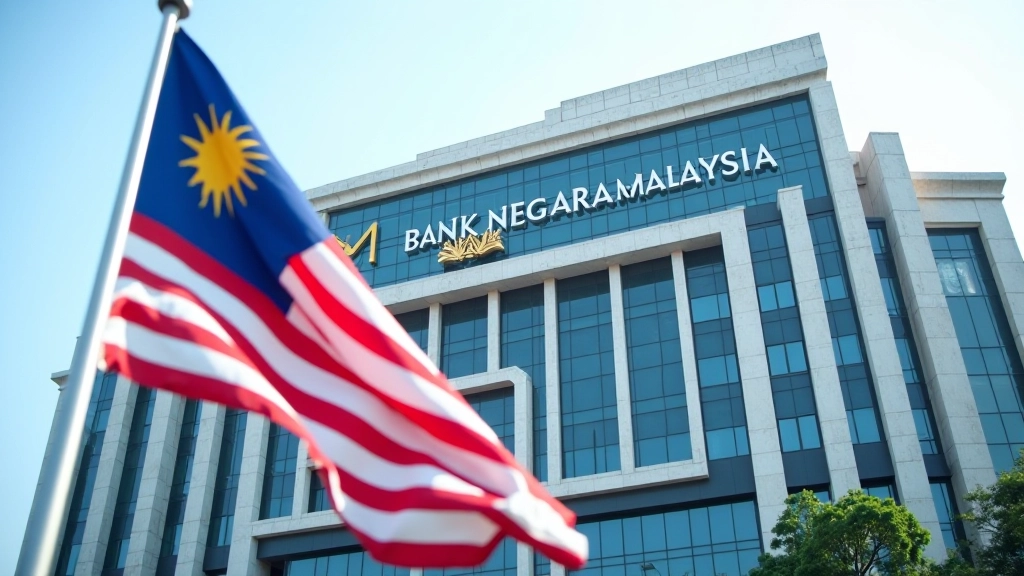
Capital Flows and Their Impact on Ringgit Strength
Understanding how foreign investment inflows and outflows affect currency valuation, and what economic indicators signal shifts in capital movement patterns.

What Are Capital Flows?
Capital flows represent the movement of money across borders for investment purposes. When foreign investors buy Malaysian bonds, stocks, or real estate, that’s inflow — cash entering the economy. When Malaysian investors move money overseas, that’s outflow. It’s really that straightforward.
Here’s the key connection: when foreign investors want to buy Malaysian assets, they need ringgit. So they exchange their dollars, euros, or yuan for MYR, which increases demand for the currency and strengthens it. The opposite happens during outflows. Think of it like a seesaw — more buyers pushing the currency up, fewer buyers letting it drift down.
The ringgit doesn’t exist in isolation. It’s constantly influenced by global sentiment toward emerging markets, interest rate differences, and economic stability. Understanding these flows helps you see why the currency moves the way it does.

How Capital Flows Strengthen or Weaken the Ringgit
The mechanics are straightforward. Large foreign institutional investors — pension funds, asset managers, hedge funds — scan emerging markets looking for opportunities. Malaysia, with its stable political environment and developing economy, attracts significant attention.
When interest rates in Malaysia rise relative to other countries, foreign money floods in seeking better returns. This happened during several periods in recent years. Conversely, when the US Federal Reserve raises rates aggressively, capital flows reverse. Investors pull money out of emerging markets and back into US assets where they’re getting guaranteed returns.
The 2023-2024 period showed this dynamic clearly. As the Fed signaled rate cuts, ringgit strength improved because money started flowing back into emerging markets. It’s not magic — it’s just basic capital seeking the best risk-adjusted returns available.
“Capital flows are the heartbeat of currency markets. When you see sudden shifts in inflow patterns, that’s your signal something’s changing in global investor sentiment.”
— Currency Markets Analyst, BNM Research
Key Indicators That Signal Capital Flow Changes
Watch these metrics to anticipate currency movements before they happen
Portfolio Inflows Data
Monthly reports from BNM show foreign purchases of Malaysian securities. A spike in stock market purchases indicates positive sentiment. These figures often precede currency appreciation by 2-4 weeks.
Interest Rate Spreads
The difference between Malaysian and US bond yields drives carry trade activity. When Malaysia’s 10-year bond yields 4.2% while US yields 3.8%, that 40 basis point spread attracts foreign capital.
BNM Foreign Reserves
Malaysia’s foreign reserves currently stand around $116 billion. Growing reserves signal strong inflows and confidence. Declining reserves indicate outflows or interventions to support the currency.
Regional Risk Sentiment
Emerging market risk indices measure investor appetite for regional assets. When these rise, money flows into Malaysia. When they fall, investors shift to safer developed markets like Japan or Singapore.
Currency Derivatives Volume
Options and futures trading in ringgit pairs show positioning changes. High hedging activity often precedes major capital movements as institutional investors prepare for shifts.
Policy Announcements
BNM interest rate decisions, government investment initiatives, or regulatory changes can trigger rapid capital flows. These are often signaled in advance through official channels.

The Practical Impact on Ringgit Valuation
Let’s walk through a real scenario. Suppose emerging market fund managers receive $5 billion to allocate across Asia. Malaysia looks attractive because growth prospects are solid, valuations are reasonable, and interest rates are competitive. They purchase Malaysian stocks and bonds worth $2 billion. This requires exchanging dollars for ringgit. Suddenly, demand for MYR increases significantly.
This isn’t theoretical. In 2021-2022, exactly this pattern played out. Foreign investors were flooding into Malaysia. Then in 2022, as the Fed began aggressive rate hikes, that flow reversed dramatically. The ringgit weakened from 4.10 to the dollar down to 4.75 within months. Capital flows explained most of that movement.
The ringgit’s valuation doesn’t move on sentiment alone. It’s based on actual currency demand. More buyers = stronger currency. More sellers = weaker currency. Capital flows determine who’s buying and selling at the margin, which is what moves prices.
Bank Negara’s Role in Managing Capital Flow Impacts
Bank Negara doesn’t sit passively watching capital flows. When outflows become disruptive, the central bank intervenes. This typically happens through the foreign exchange market, where BNM can sell or buy ringgit to influence its value.
During the 2022 ringgit weakness, BNM used several tools. They tightened liquidity in the ringgit market, making it more expensive to borrow ringgit for speculative selling. They also directly intervened in currency markets. These actions didn’t reverse the fundamental flows — Fed rate hikes were still driving money out of emerging markets — but they moderated the depreciation and prevented panic selling.
The strategy is nuanced. BNM doesn’t try to permanently fix the exchange rate at an artificial level. That would be impossible against large capital flows and would deplete reserves. Instead, they smooth volatility and prevent disorderly moves that could damage financial stability. It’s about managing the impact, not defying the underlying forces.

The Bottom Line on Capital Flows and Ringgit Strength
Capital flows aren’t some abstract financial concept. They’re the primary driver of currency valuation in modern markets. When foreign investors see opportunity in Malaysia, they buy assets and need ringgit. This demand strengthens the currency. When they lose confidence or find better opportunities elsewhere, they sell and need foreign currency. This supply weakens the ringgit.
Understanding these flows gives you genuine insight into why the ringgit moves. It’s not magic or manipulation — it’s just supply and demand working at scale. The indicators we’ve covered — interest rate spreads, foreign reserve changes, sentiment indices, policy announcements — these aren’t random. They signal where capital is flowing and where it’s likely to flow next.
If you’re tracking the ringgit’s performance, don’t just look at the exchange rate. Look at the flows behind it. That’s where the real story is. Monitor portfolio inflows data, watch interest rate differentials, and pay attention to BNM communications. These pieces together tell you what’s actually happening in currency markets.
Want to understand other factors affecting the ringgit? Explore our complete guide to currency dynamics in Malaysia.
Explore More TopicsRelated Articles

MYR Performance Against Major Currencies Explained
Read Article
Foreign Reserves: Protecting Malaysia’s Currency Position
Read ArticleEducational Disclaimer
This article is provided for educational and informational purposes only. It explains concepts related to capital flows and currency markets based on general economic principles. It is not financial advice, investment guidance, or a recommendation to buy or sell any currency or security. Currency markets are complex and influenced by numerous factors that change continuously. Individual circumstances vary significantly. If you’re considering currency-related investments or decisions, consult with a qualified financial advisor who understands your specific situation. Historical patterns and explanations don’t guarantee future results. Markets can move in unexpected ways based on unforeseen events. Always conduct your own research and understand the risks involved.