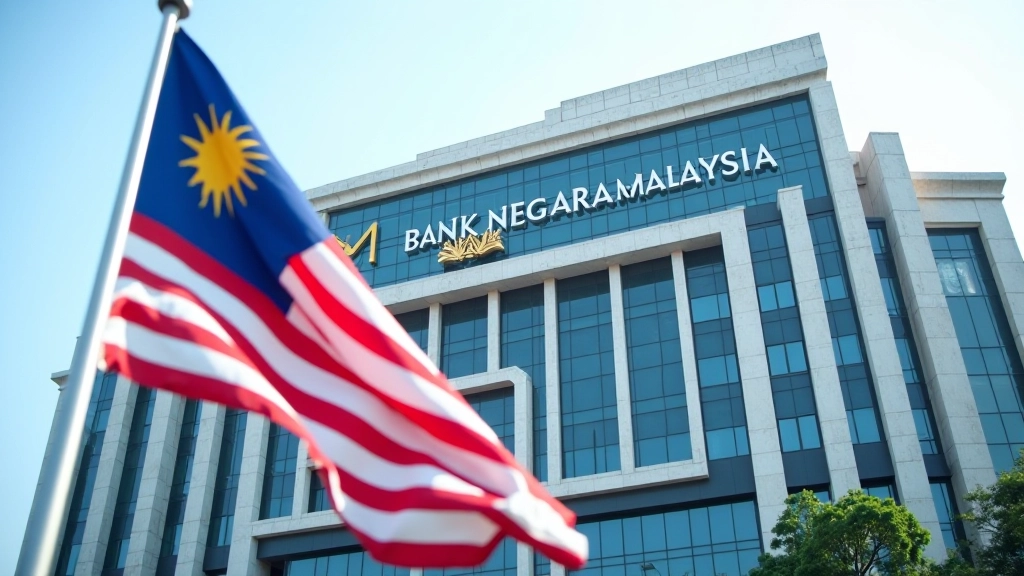
Foreign Reserves: Protecting Malaysia’s Currency Position
How Malaysia’s foreign reserves serve as a critical safety net for the ringgit, stabilizing the currency through economic uncertainty and supporting investor confidence in the nation’s monetary strength.

What Are Foreign Reserves?
Foreign reserves are assets that Bank Negara Malaysia holds in foreign currencies, gold, and other valuable instruments. Think of them as the nation’s financial insurance policy — they’re there when you need them most.
Malaysia’s foreign reserves aren’t just numbers on a balance sheet. They’re the ammunition Bank Negara uses to defend the ringgit during market stress, maintain exchange rate stability, and reassure international investors that the country can meet its external obligations. As of recent reports, Malaysia maintains reserves exceeding USD 140 billion — one of the highest in the Asia-Pacific region.
Why does this matter to you? Well, if the ringgit weakens too quickly, imported goods become more expensive, your purchasing power drops, and businesses become less competitive globally. That’s where these reserves step in.


The Composition of Malaysia’s Reserves
Malaysia’s reserves aren’t all in one currency. They’re diversified across several components — that’s actually smart management. You’ve got US dollars (the dominant share), euros, pounds, and other major currencies. Gold makes up a meaningful portion too, typically around 5-8% of total reserves.
This diversification matters because it spreads risk. If one currency weakens unexpectedly, the overall reserve position doesn’t collapse. It’s like having a portfolio rather than betting everything on a single horse.
Current breakdown: USD 140+ billion in reserves includes foreign currency deposits, SDRs (Special Drawing Rights from the IMF), gold holdings, and other marketable instruments. Bank Negara carefully monitors this composition to ensure maximum flexibility.
How Reserves Protect Currency Stability
When capital flows out of Malaysia rapidly — investors pulling money due to global uncertainty — the ringgit faces selling pressure. Without intervention, it’d depreciate quickly. That’s where reserves become the defense mechanism.
Bank Negara can deploy reserves in several ways. They can intervene directly in foreign exchange markets, selling foreign currency to buy ringgit and prop up demand. They can use reserves to settle international payments, ensuring Malaysia doesn’t run out of foreign currency. They can also use reserves to maintain confidence — simply knowing Bank Negara has substantial reserves makes investors less likely to panic-sell.
Consider what happened during the 1997-98 Asian financial crisis. Countries without adequate reserves saw their currencies collapse 40-60%. Malaysia, with strong reserve positions, recovered faster. That’s not coincidence — it’s the protection reserves provide.


Is Malaysia’s Reserve Level Adequate?
Economists use several benchmarks to assess reserve adequacy. One key metric is the months of imports ratio — how many months of goods imports can reserves cover? Malaysia’s reserves typically cover 8-10 months of imports, which is well above the 3-6 month safety standard. That’s solid protection.
Another measure looks at reserve coverage of external debt. Malaysia’s ratio here is also comfortable — reserves significantly exceed short-term external debt obligations. This tells international creditors that Malaysia can meet its commitments even if external financing dries up.
That said, adequacy isn’t static. As Malaysia’s economy grows and external obligations evolve, the absolute reserve level needs to grow too. Bank Negara continuously evaluates whether current reserves match emerging risks and economic requirements.
Challenges in Managing Reserves
Managing USD 140+ billion isn’t simple. Bank Negara faces several ongoing challenges that don’t always make headlines.
First, there’s the yield-return dilemma. Reserves must be liquid and safe — that means low-risk assets like US Treasury bonds. But low-risk usually means lower returns. So reserves generate modest income while sitting idle as insurance. It’s a trade-off between safety and earning potential.
Second, currency composition matters. When the US dollar strengthens (which it has been), the value of non-dollar reserves falls in dollar terms. If reserves include 30% euros and the euro weakens 10%, the reserve’s dollar value drops proportionally. That’s why diversification helps — spreading exposure across multiple currencies.
Third, geopolitical uncertainty affects reserve strategy. In a multipolar world, should Malaysia hold more Chinese yuan? European currencies? These decisions involve economic judgment plus political considerations.

Key Takeaways
What They Do
Foreign reserves are Malaysia’s financial safety net. They stabilize the ringgit during external shocks, maintain investor confidence, and ensure the country can meet international payment obligations.
Why They Matter
Without adequate reserves, currency crises become more likely. A weak ringgit increases inflation, hurts purchasing power, and makes Malaysian exports less competitive. Reserves prevent this.
Malaysia’s Position
At USD 140+ billion, Malaysia’s reserves are substantial and well-managed. They cover 8-10 months of imports — above international safety standards — signaling strong financial position to the world.
Foreign reserves aren’t glamorous like stock market rallies or corporate earnings announcements. But they’re fundamental. They’re the quiet strength that allows Malaysia to navigate global turbulence without panic. The next time you hear about ringgit stability or Bank Negara intervention, remember: it’s these reserves doing the heavy lifting behind the scenes.
Educational Disclaimer
This article is provided for educational purposes to help readers understand how foreign reserves function within Malaysia’s monetary system. It’s not financial advice, investment guidance, or economic forecasting. Foreign exchange markets are complex and influenced by numerous factors — interest rates, geopolitical events, capital flows, and unexpected shocks. Reserve management involves sophisticated analysis that extends beyond this overview. If you’re making investment or currency decisions, consult qualified financial advisors who can assess your specific situation. Bank Negara Malaysia and other official sources provide the most authoritative information on reserve levels and monetary policy.